Bridging Divides: Arizonans Talk Housing, Hope, and Community Solutions
This spring, Valley Leadership’s Civic Engagement Impact Team continued its momentum with the latest installment of our Dinner & Dialogue series. This time, our conversations shifted to one of the most critical and pressing challenges facing Arizona today: Housing & Homelessness.
The Dinner & Dialogue series was born out of a simple yet powerful premise: to bring Arizonans together across lines of difference to discuss our state’s most pressing issues and explore how we can move forward together.
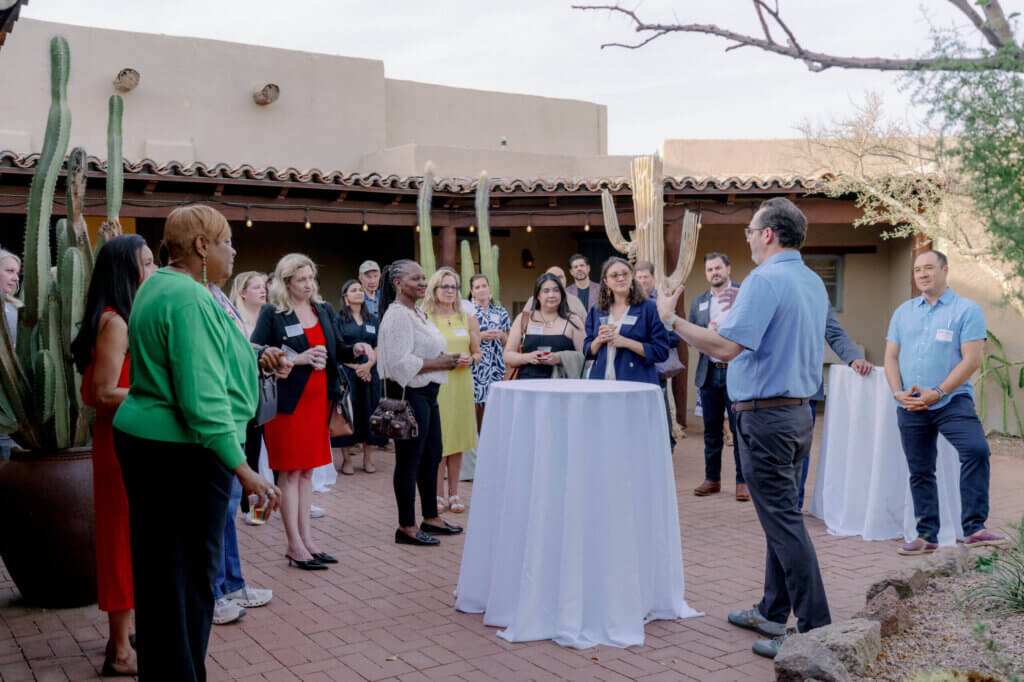

Since launching in the spring of 2025, the series has grown tremendously. Valley Leadership has hosted 12 dinners, welcoming over 100 community members to the table. While eight of these gatherings focused broadly on the foundations of civic engagement—emphasizing how to foster positive, productive conversations with people we might disagree with—our recent events have transitioned into deep dives on specific issues.
Special thanks to the Desert Botanical Garden who hosted us and allowed us to double our capacity for our latest foundational dinner, inviting even more Arizonans to build their civic dialogue muscles in a beautiful, shared space.
Diving into the Issues
Once participants complete a foundational civic engagement dinner, they unlock the opportunity to attend our topic-focused dinners. Last fall, we kicked things off with a deep dive into K-12 Education (you can read the key takeaways from those conversations here).
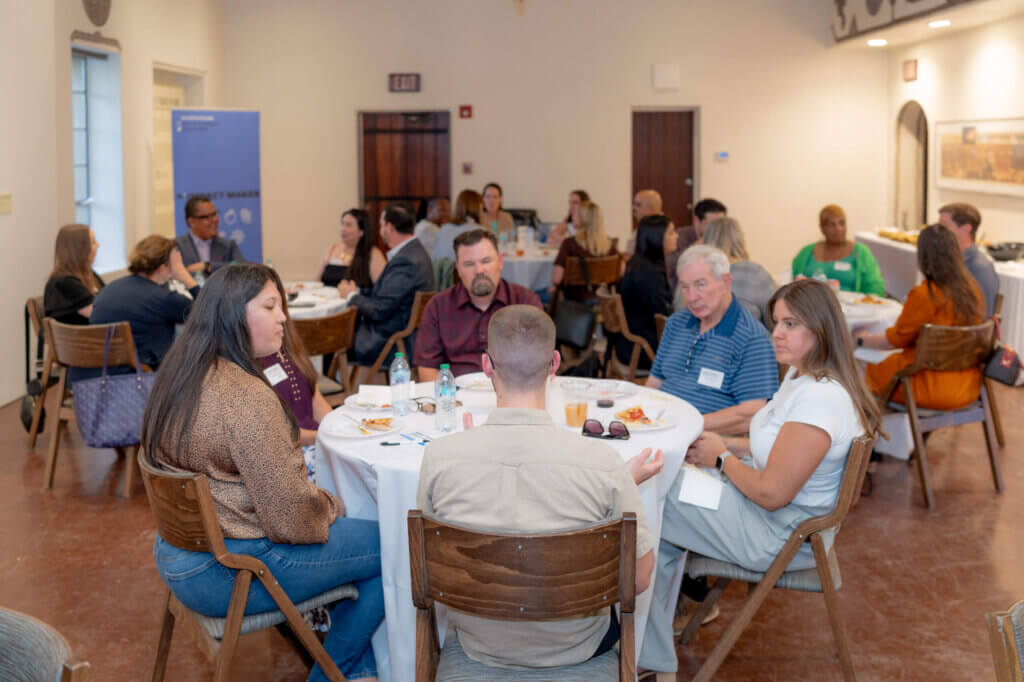
This spring, over 30 individuals joined us across two dedicated Housing & Homelessness dinners. In Arizona, communities and neighborhoods are feeling the acute pressures of housing insecurity. Many individuals disagree on both the causes and solutions to this issue, and our dinners tackled this head on with the following questions.
- Question 1: How might solutions differ for different individuals and families experiencing homelessness?
- Question 2: Given that resources are limited, where should our community’s immediate priority lie: in emergency response (expanding temporary shelters) or in long-term prevention (building affordable housing and changing zoning laws)? How do we balance the urgent needs of people on the street today with the systemic changes needed for tomorrow?
As the plates were cleared, several critical, overlapping themes emerged from the tables.
Key Takeaways from the Table
1. One Solution Does Not Fit All
Homelessness is not a monolith, and our participants emphasized that a one-size-fits-all approach simply won’t work. Chronic homelessness requires deep, long-term wraparound support, whereas an individual or family on the brink of eviction might only need short-term financial assistance to stay on track. Furthermore, family homelessness introduces unique complexities, such as childcare, schooling, and safety, that require a completely different approach than the systems built for single individuals. A successful response system must be multi-faceted to address the diverse factors that lead to housing insecurity in the first place.
2. Access to Opportunity is Uneven
One of the most poignant realizations shared across tables was just how thin the line is between being housed and unhoused. Participants identified the safety nets that keep them securely housed: family support, financial literacy, knowledge of how to navigate existing resources, and stable employment. However, access to these buffers is unevenly distributed. Once someone experiences homelessness, these challenges compound rapidly. Trying to secure employment without a permanent address, or maintaining health and wellness while living unsheltered, is incredibly difficult. This reality illustrates how a temporary setback can quickly spiral into chronic homelessness without the right intervention.
3. Long-Term Policy and Cultural Change is Vital
Many tables discussed the urgent need to reshape how we talk about homelessness and the cultural stigma surrounding housing insecurity. Participants noted that moving the needle requires sustained, significant investments at both the neighborhood and regional levels. Proven, data-backed models exist, but Arizona often lacks the collective political will to implement them at scale. Ultimately, unless we commit more resources to creating homes with affordable rents and mortgages, people will continue to be left on the streets.
4. Short-Term Solutions Must Remain Available
While long-term systemic change is the ultimate goal, we cannot ignore the human crisis happening right now. Investing in prevention is vital to stop the crisis from growing, and providing immediate emergency shelter is a basic human necessity we cannot fail to address. Interestingly, participants noted that permanent, long-term housing is a short-term need for many; providing stable housing quickly is often the exact foundation an individual needs to overcome unique obstacles and move out of homelessness for good.
Why This Matters & What’s Next
The Dinner & Dialogue program is designed to be more than just a space for vital community conversations. It serves as a strategic bridge, connecting the passion and ideas generated at the table directly to the ongoing, action-oriented work of our Impact Maker teams.
Our ultimate goal is to ensure the momentum built during these dinners continues to ripple outward. By empowering individuals to utilize their personal networks, professional circles, and collective influence, we are fostering a culture of lasting, proactive community engagement in Arizona.
Want to join us at the table? Dinner & Dialogue events are open to anyone in the community. If you are ready to attend your first dinner, sign up for our interest list here, and stay tuned for the announcement of our upcoming fall dinner topic!