David Scott Named One of the 2026 Impact Makers of the Year
We are proud to announce David Scott as one of the 2026 Impact Makers of the Year! This honor celebrates exceptional leaders whose dedication to Valley Leadership’s Principles of Doing® and unwavering commitment to community impact have helped move the needle on some of Arizona’s most pressing challenges.
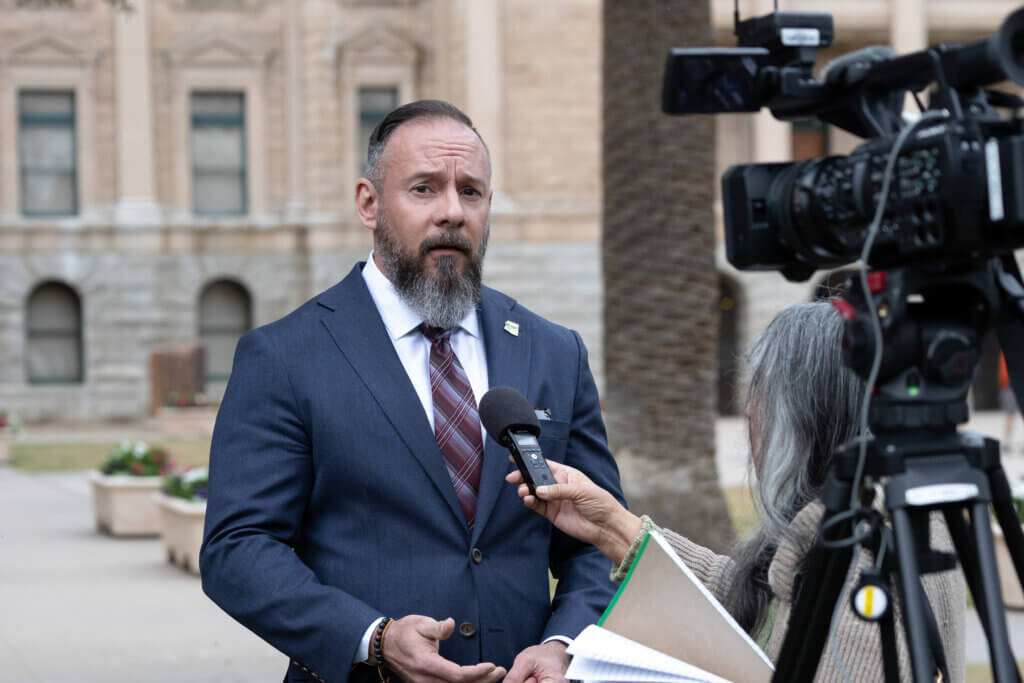
As the lead of the Early Literacy Impact Maker Team, David has exemplified both strategic vision and hands-on action, from championing the launch of the Leaders for Literacy program to stepping into first and second-grade classrooms so teachers could access critical Science of Reading professional development. His ability to remove barriers for educators, galvanize team engagement, and foster trust-based collaboration has strengthened early literacy efforts in Mesa and beyond.
David’s impact also extends into broader community engagement through his service on the Junior Achievement Board and the Mesa Chamber’s Community Action Partnership, as well as his participation with other Impact Maker teams. With a deep commitment to putting Arizona first and creating lasting, meaningful results for students and educators alike, David embodies the spirit of service, teamwork, and impact that defines this award.
Keep reading to learn more about David’s work and leadership journey as an Impact Maker.
VL: Which of Valley Leadership’s Principles of Doing® has most guided your work as an Impact Maker, and how has that principle shown up in the way you lead the Early Literacy team?
DS: Definitely Driven to Do. Since graduating from Catalyze 1, I’ve been very aware of the size and scale of the challenges facing our community. Early literacy is one of those areas where the gap between where we are and where we need to be is significant. It would be easy to become discouraged. But Driven to Do calls us to move toward the work, even when it’s uncomfortable. For me, that has meant leading from the front, showing up consistently in the community, standing before the school board when needed, and stepping into classrooms. Leadership means setting the right example. If we want momentum, someone has to move first.
VL: Leaders for Literacy is now entering its third semester. Can you share how the program came to life and what it’s meant to see it grow into a sustained effort supporting Arizona educators?
DS: Leaders for Literacy came to life when we stopped trying to solve the problem ourselves and started listening. We approached Mesa Public Schools without any answers, we simply offered to help. By listening first, stakeholders were able to identify both the need and a practical response. What emerged was a partnership. Seeing the program reach its third semester is meaningful because it shows that our community is willing to step forward. People want to help. They just need a clear framework and a bridge to connect them. We were able to help build that bridge between local leaders and the district.

VL: Removing barriers like substitute coverage helped teachers access critical training. What did that experience teach you about leading for real impact?
DS: It taught me that leadership is often about removing obstacles rather than creating new initiatives. We didn’t need to become experts in neuroscience or literacy instruction. We needed to respond to what teachers said they needed. When substitute coverage was provided, participation shifted immediately. That reinforced something important for me: we are not here to be the heroes of the story. Our responsibility is to serve in a way that allows the real heroes (our teachers) to succeed.
VL: Your Impact Maker work spans early literacy, housing, and civic discourse. How does cross-sector collaboration strengthen outcomes in education, and why is it important to address Arizona’s challenges through multiple lenses?
DS: These issues are connected. Housing stability, cost of living, parent engagement, and educational outcomes all influence one another. When Arizona’s cost of living rose rapidly, families felt it. Financial strain creates stress at home. Stress affects learning. Public systems feel the pressure. That ripple continues into workforce development, economic mobility, and long-term growth. If young people do not see opportunity here, they will look elsewhere. Cross-sector collaboration helps us see the full picture. Education does not exist in isolation. Housing policy, economic development, and civic culture all shape what happens in a classroom. Civic engagement ties it together. When people feel heard, they are more willing to help create solutions. Arizona’s challenges deserve thoughtful, coordinated leadership not siloed responses.
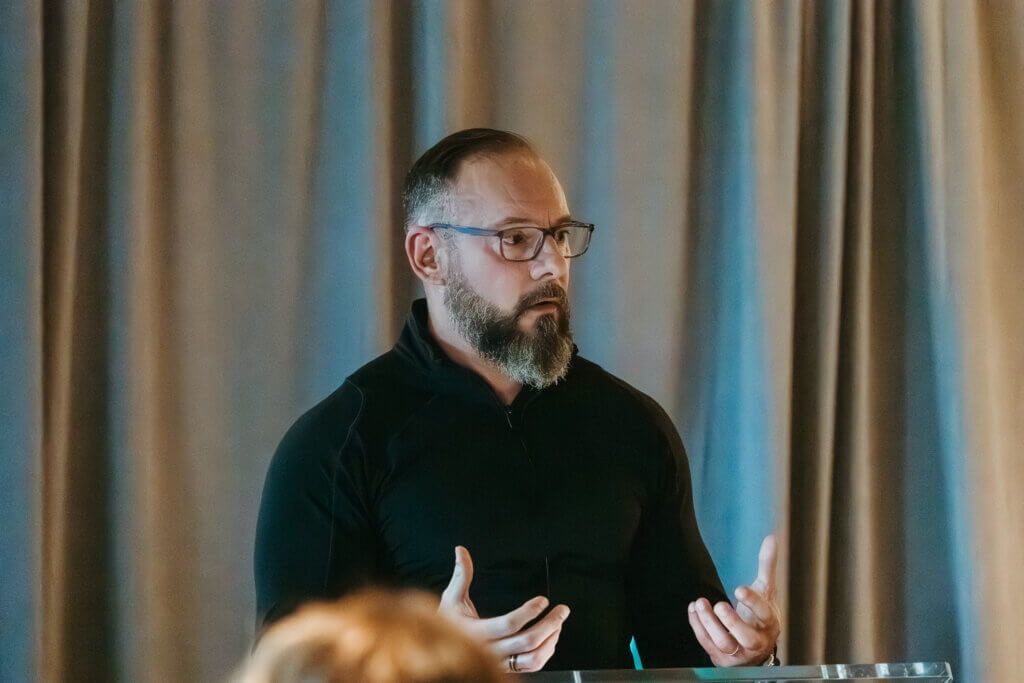
VL: Early literacy is a long-term challenge with no quick fixes. What keeps you personally motivated to stay committed to this work, even when progress takes time?
DS: This work is an investment. It requires patience and consistency. The generations before us built what we benefit from today because they chose not to give up when progress felt slow. We carry that same responsibility. There will always be complex challenges. Our role as leaders is to create a path forward for those who will inherit what we leave behind. When I think about the long-term trajectory of a child’s life, the work is worth it.
VL: As a leader who turns ideas into action, what advice would you give to others who want to create lasting impact in Arizona?
DS: There will be moments when the problems feel too large and progress feels too slow. Pause, remember your mission, then continue. Everything worthwhile is difficult. That doesn’t mean it isn’t working. Sustainable impact comes from steady commitment and shared responsibility. The people around you are carrying the weight too. They depend on you, and you depend on them. Keep going.